Global Camel Population: Distribution, Trends, and Regional Differences
For centuries, camels have been an indispensable part of human life in arid and semi-arid regions. Beyond their use in food production, transport, and milk supply, camels have regained importance in modern livestock systems due to their remarkable resilience to climate change. This article examines the global distribution of camel populations, recent trends, and regional differences worldwide.
Camel Species and Global Distribution
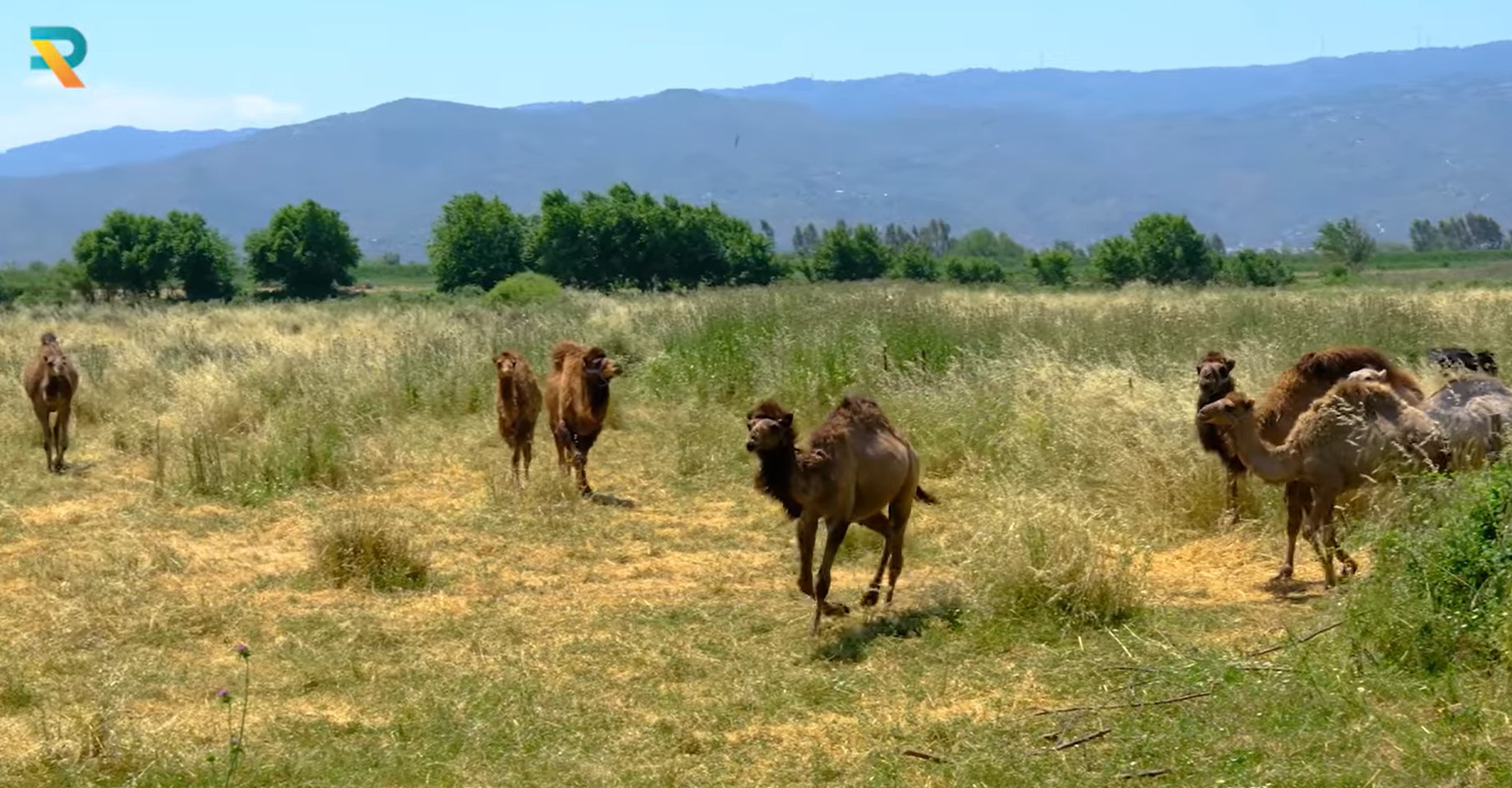
Approximately 94% of the world’s camel population consists of single-humped camels (Camelus dromedarius). Double-humped camels (Camelus bactrianus) are primarily raised in the cold regions of Central Asia. The wild
two-humped camel (Camelus ferus) is critically endangered, with a population estimated at fewer than 1,000 individuals.
Global Camel Population
According to FAO data and regional sources, the global camel population is estimated at around 40 million head as of 2024. More than 80% of this population is located in Africa.
Camel Population by Country (Approximate)
Country
Camel Population
Notes
Chad
10.7 million
The country with the largest camel population worldwide
Somalia
7.5 million
Widely used for milk and meat production in the Horn of Africa
Sudan
4.8 million
Commercial camel farming is common
Kenya
4.3 million
A primary livelihood in arid regions
Niger
0.4 million
Traditional camel culture persists in the Sahel
Ethiopia
1.1 million
Milk production is common in northern and eastern regions
Saudi Arabia
2.0 million
Intensive camel breeding for racing, milk, and meat
Pakistan
1.1 million
Dual-purpose use (transport and milk), especially in Balochistan
India
0.3 million
Population declining; mainly used for tourism and cultural purposes
Iran
0.2 million
Limited camel population in desert areas
Türkiye
3,000–4,000
Primarily bred for camel wrestling in the Aegean and Mediterranean regions
Australia (feral)
600,000
One of the world’s largest feral camel populations
Distribution by Continent
- Africa: Hosts approximately 80% of the global camel population, with Somalia, Sudan, Chad, and Kenya leading.
- Asia: Camels hold regional importance in Pakistan, India, Iran, Kazakhstan, and Central Asian countries.
- Middle East: Countries such as Saudi Arabia, the UAE, Oman, and Qatar value camels both culturally and economically.
- Australia: Camels introduced in the 20th century now live as large feral populations.
Trends in Camel Population
Over the past 50 years, camel populations in Africa have shown steady growth, while declines have been observed in countries such as India and Iran. The primary drivers of this increase are camels’ high resilience to climate change and their role as an alternative livelihood in desertifying regions. According to FAO data, the global camel population increased by approximately 25% between 2000 and 2020.
Economic and Ecological Importance
- Annual camel milk production is estimated at around 3 million tons.
- Camel meat and hides have significant commercial value in many African countries.
- Due to their ability to survive long periods without water, camels are a cornerstone of sustainable livestock production in arid regions.
- Camels also contribute to organic fertilizer production and ecotourism.
Retrovet Academy Perspective
At Retrovet, we observe that the growth of camel populations has increased the importance of nutrition and health management. Developing science-based solutions for regional adaptation, climate stress resilience, and nutritional balance will shape the future of the camel sector. Products addressing heat stress (ThermoBuff), liver support (Liverest Camel), and metabolic balance play a critical role in this field.
Globally, approximately 40 million camels exist today, and this number continues to grow. Africa and the Middle East remain the core regions of camel production. Global climate change and rising interest in sustainable food systems are further increasing the economic and biological significance of camels.
“Retrovet – Facts Nourished by Science.”