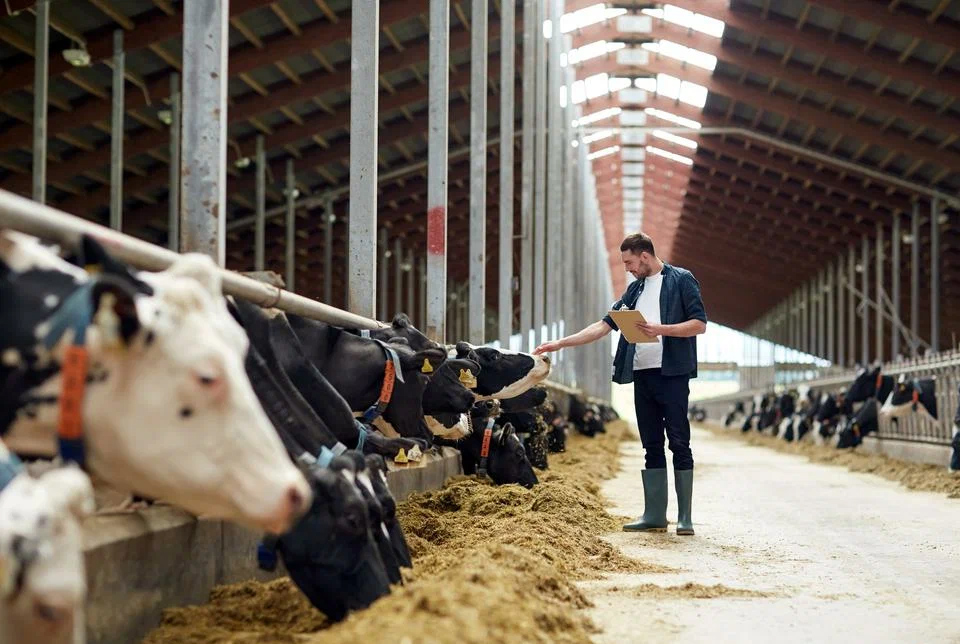
The Role of Nutrition in Improving Reproductive Performance

Reproductive performance is one of the most critical factors determining the sustainable productivity of dairy cattle operations. The interval between calving and subsequent conception directly affects the milk production cycle and the economic efficiency of the herd. Therefore, improving fertility is not achieved solely through reproductive management, but also through science-based nutritional strategies.
The Link Between Nutrition and Reproduction
Insufficient intake of energy, protein, or micronutrients slows ovarian activity and weakens follicular development. Under conditions of negative energy balance, the body prioritizes vital organs rather than allocating energy to the reproductive system. In addition, increased oxidative stress and hepatic load negatively affect the synthesis of reproductive hormones. Thus, not only energy and protein, but also vitamin, mineral, and antioxidant balance play a decisive role in reproductive success.
Role of Antioxidants
Elevated oxidative stress in reproductive tissues reduces oocyte quality and increases the risk of embryonic loss. Antioxidants such as vitamin E, selenium, and carotenoids protect cell membranes against free radical damage.
This support accelerates postpartum uterine recovery (involution) and reduces the risk of metritis. Studies report that herds with balanced antioxidant status may achieve 10–15% higher conception rates.
Vitamins, Carotenoids, and Hormonal Balance
Vitamins A, E, B-complex vitamins, and carotenoids contribute to the regulation of estrogen–progesterone balance. These nutrients support ovarian activity and enhance the expression of estrus signs. In particular, beta-carotene supplementation positively influences follicular development and corpus luteum stability. Research indicates that adequate carotenoid intake helps regulate estrous cycles and improves embryo implantation success.
Importance of Organic Minerals
Trace minerals such as zinc, copper, manganese, and cobalt are essential components of enzymes involved in reproductive hormone synthesis. Using these minerals in organic (chelated or complexed) forms improves absorption
efficiency and reduces the risk of toxicity. Organic minerals also support uterine epithelial integrity, healthy oocyte maturation, and stable embryonic development.
B Vitamins and Metabolic Balance
Compounds such as folic acid, vitamin B12, and choline play critical roles in cell division, DNA synthesis, and energy metabolism. During the postpartum period, excessive fat accumulation in the liver may limit the functionality of these vitamins. Therefore, the use of B-vitamin- and choline-supported products during the reproductive period positively affects both liver health and conception success.
Retrovet OESTRUMIX 25: Scientific Support for Reproductive Performance
Developed by Retrovet, Oestrumix 25 is a nutritional supplement specifically formulated to support reproductive performance. Its purpose is to regulate the estrous cycle, improve conception rates, and support rapid recovery of the reproductive system during the postpartum period.
Key Areas of Action of Oestrumix 25
- Regulation of the reproductive cycle: Helps reactivate estrous cycles in cows showing weak or silent heat.
- Support of embryo viability: Antioxidant and energy-metabolism components strengthen embryonic development.
- Postpartum recovery: Shortens uterine involution time and reduces the risk of metritis.
- Hormonal stabilization: Helps balance hormone fluctuations associated with negative energy balance.
Directions for Use and Timing
- Dosage: 100 g per animal per day (average value; final dosage should be determined by a veterinarian based on ration composition).
- Application period: Begin 6–8 weeks before breeding or artificial insemination. During lactation, supplementation may be repeated in regular 2–3 week cycles.
Oestrumix 25 contains no hormones and is a purely nutritional, safe product with no doping risk.
Field Observations
In herds using Oestrumix 25, the following outcomes have been observed:
- Clearer expression of estrus signs,
- Increased pregnancy rates at first insemination,
- Reduced incidence of repeat breeders,
- Faster recovery of postpartum energy balance,
- Shorter calving intervals.
Common Mistakes
- Providing reproductive support only after insemination,
- Ignoring carotenoid and B-vitamin deficiencies in feeding programs,
- Failing to balance energy supply in over-conditioned or under-conditioned animals,
- Using minerals in inorganic forms, which reduces bioavailability.
Frequently Asked Questions
1. Does Oestrumix 25 contain hormones?
No. It is a purely nutritional supplement and contains no hormones or doping-risk substances.
2. How soon does Oestrumix 25 show effects?
Improvement in estrous cycle expression is generally observed after 3–4 weeks of regular use.
3. Can it be used in sheep and goats?
Yes. It can also be applied in small ruminants prior to the breeding season, with dosage adjusted by a veterinarian.
Improving reproductive performance requires not only reproductive management, but also a well-designed micronutrient strategy. Antioxidants, vitamins, minerals, and carotenoids represent the hidden building blocks of reproductive health. A balanced combination of these components reduces postpartum metabolic stress and accelerates the return to normal reproductive cycles.
Retrovet’s Oestrumix 25 is a scientifically validated nutritional support solution tested under field conditions. It represents a safe, effective, and sustainable option for farms aiming to improve fertility performance.
“Oestrumix 25 – The Science-Nourished Formula for Fertility.”