Benefits of Algae Use in Animal Nutrition: A Natural Source of Antioxidants, Omega-3, and Immune Support

Algae (seaweeds and microalgae) have become one of the most prominent natural components in animal nutrition science in recent years. Thanks to their rich content of protein, omega-3 fatty acids, vitamins, minerals, and antioxidants, algae offer an effective alternative to conventional feed additives.
Regular use of algae strengthens the immune system, improves milk and meat quality, supports reproductive performance, and contributes to environmental sustainability.
Nutritional Composition of Algae
Component | Characteristics | Benefits |
Protein | 30–60% high biological value | Muscle development, milk protein synthesis |
Omega-3 fatty acids (DHA, EPA) | Essential for cell membrane structure | Supports immunity and reproductive performance |
Vitamins (A, B12, C, E, K) | Naturally occurring forms | Antioxidant protection and metabolic support |
Minerals (Ca, Mg, Fe, Zn, Se) | High bioavailability from marine sources | Bone development and enzyme function |
Pigments (Chlorophyll, Carotenoids, Phycocyanin) | Natural antioxidant activity | Free radical scavenging and cellular regeneration |
Benefits of Using Algae in Animal Nutrition
- Strengthens the immune system: Polysaccharides and β-glucans enhance immune responses.
- Provides antioxidant protection: Carotenoids and chlorophyll reduce cellular oxidative stress.
- Rich source of omega-3: EPA and DHA improve milk fat quality and reproductive performance.
- Exerts prebiotic effects: Supports the growth of beneficial gut microflora.
- Natural pigment source: Enhances egg yolk color intensity and feather pigmentation.
- May reduce methane emissions: Certain seaweeds modify rumen fermentation, lowering greenhouse gas output.
Applications and Dosage Recommendations
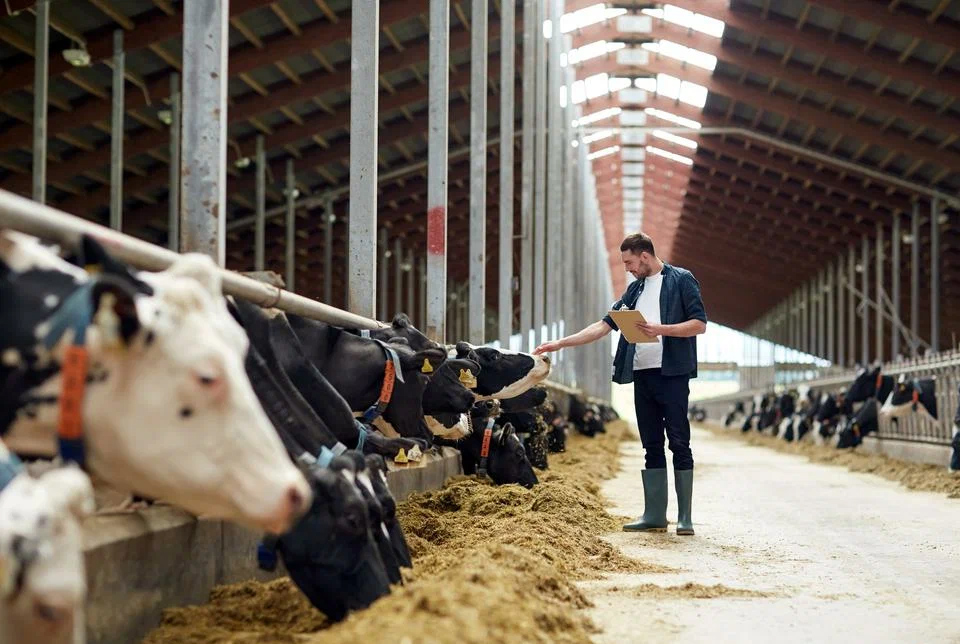
- Dairy cattle: 50–100 g/day to enhance milk fat quality and immune support.
- Beef cattle: 30–50 g/day to improve weight gain and feed conversion efficiency.
- Poultry: 2–5 g/kg of feed to improve egg quality, pigmentation, and immunity.
- Aquaculture: 1–3% of the diet to increase omega-3 content and color intensity.
Dosage may vary depending on algae species (e.g. Spirulina platensis, Chlorella vulgaris, Ascophyllum nodosum) and animal type.
Retrovet Academy Note
Retrovet evaluates algae-based feed additives as natural immune enhancers and antioxidant protection systems. R&D studies indicate that controlled use of microalgae—particularly Spirulina and Chlorella—improves milk fat quality, strengthens immune responses, and supports liver metabolism. Retrovet’s vision in this field is to develop natural-source feed additives that promote sustainable production.
Algae represent a natural, environmentally friendly, and functional feed component in modern livestock production. With their high bioavailability and multifunctional effects, they significantly enhance animal health and productivity. By combining nature-derived ingredients with scientific formulation, Retrovet sets a new standard in animal nutrition.
“Retrovet – Natural Performance Nourished by Science.”