Common Myths and Facts About Camels

Camels have been symbols of desert life for thousands of years and are truly extraordinary animals. However, many misconceptions and myths about camels persist in popular belief. Scientific evidence shows that these resilient animals possess a biology far more complex and different than commonly assumed. Below are some of the most widespread misconceptions about camels—and the facts behind them.
Myth 1: Camels store water in their humps.
Fact: Humps store fat, not water. This fat serves as an energy reserve and, when metabolized, produces metabolic water. In other words, camels obtain water by breaking down fat, which allows them to survive long periods without drinking.
Myth 2: Camels can live for weeks without drinking water.
Fact: This is only true under specific conditions. Camels can tolerate up to 25% body water loss, but they do so by raising body temperature and minimizing sweating. When temperature and feeding conditions change, camels may require 30–40 liters of water per day.
Myth 3: Camels are ruminants like cattle.
Fact: Camels are classified as pseudo-ruminants. They have a three-compartment stomach (C1, C2, C3), unlike true ruminants, which have four compartments. Nevertheless, microbial fermentation occurs similarly, which is why ration
formulation and probiotic support follow principles comparable to cattle nutrition.
Myth 4: Camels are aggressive and ill-tempered animals.
Fact: Camel behavior is largely environment-dependent. They are social, calm, and highly trainable animals. Aggression usually results from stress, poor handling, or extreme heat. Under proper care and nutrition, camels are highly adaptable and cooperative.
Myth 5: Camels perform well even on low-quality feed.
Fact: While camels are resilient, low-quality feed significantly limits productivity. They can survive on desert vegetation, but performance, milk yield, and fertility decline. Modern nutritional strategies—such as probiotics (WINYZM), liver support (Liverest Camel), and mineral supplementation (PICAMEL)—help optimize metabolic performance.
Myth 6: Camel milk yield cannot be compared to cow milk.
Fact: The Arabian camel (Dromedary) can produce 5–8 liters of milk per day. With proper nutrition, climate management, and genetics, yields may approach those of dairy cattle. Moreover, camel milk contains A2 beta-casein, which is associated with a lower risk of allergic reactions.
Myth 7: All camels are the same.
Fact: There are several camel breeds adapted to different climates worldwide:
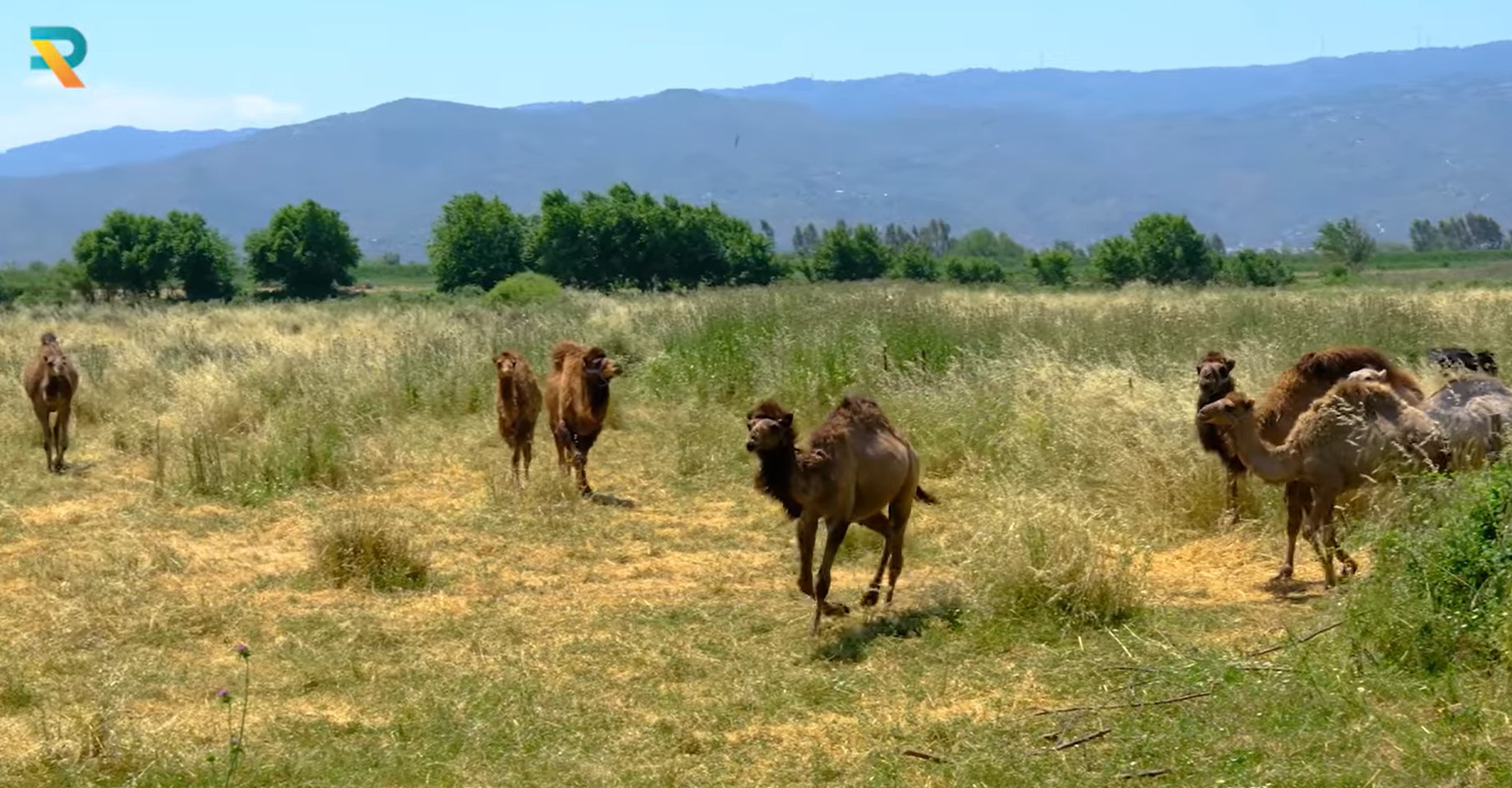
- Dromedary (Arabian camel): Adapted to hot climates
- Bactrian (two-humped camel): Resistant to cold environments
- Hybrid breeds: Combine strength and endurance
Each breed has distinct metabolic requirements, directly influencing ration formulation and feed additive selection.
Myth 8: Camels consume the same amount of feed under all conditions.
Fact: Feed intake varies depending on water availability, ambient temperature, and activity level. Racing camels require high-energy diets, while transport camels perform better on fiber-rich rations. Therefore, feeding programs must be dynamic and regularly adjusted.
Myth 9: Camels are immune to disease.
Fact: Although camels have strong immunity, stress, toxin exposure, and inadequate nutrition increase disease susceptibility. Mycotoxin exposure (mold toxins), in particular, can cause serious digestive and liver disorders.
For this reason, toxin binders such as Yeasttox and Agrotox play an important role in camel nutrition.
Myth 10: Camels live only in desert countries.
Fact: Today, camels are raised across a wide geographical range, including Türkiye, Iran, Kazakhstan, Australia, and northern Africa. Since climate, feed resources, and disease risks vary by region, locally adapted feeding formulations are essential.
Camels are among nature’s most resilient animals—but this resilience can be compromised by improper feeding and management. Accurate knowledge, modern science, and balanced nutrition strategies unlock the true potential of camels.
“Retrovet – Facts Nourished by Science.”