Camel Meat: Nutritional Profile, Bioavailability, and Health Effects
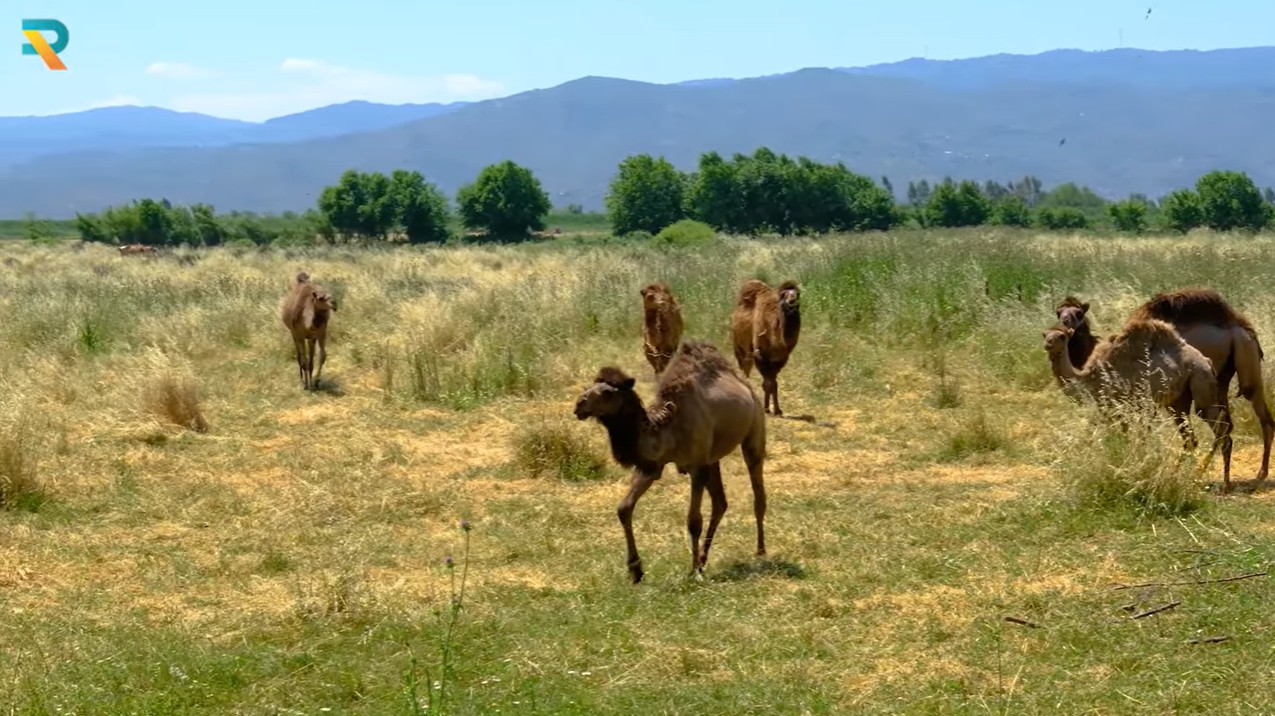
Camel meat is a healthy alternative to red meat, distinguished by its low-fat content, high protein level, and micronutrients with high bioavailability.
Traditionally consumed in many regions of the Middle East, Africa, and Asia, camel meat has recently gained significant importance in research on functional nutrition and sustainable protein sources.
Nutritional Composition of Camel Meat
Camel meat differs from other red meat types in terms of the proportions of water, protein, fat, and mineral components in muscle tissue.
The main nutritional differences between camel meat and beef are summarized below:
Component | Camel Meat | Beef |
Protein | 19–22% | 18–20% |
Fat | 2–4% (low) | 8–15% |
Cholesterol | 50–60 mg/100 g | 70–90 mg/100 g |
Iron | 3.5 mg/100 g | 2.6 mg/100 g |
Zinc | 4.0 mg/100 g | 3.2 mg/100 g |
Vitamin B12 | High | High |
Energy (kcal/100 g) | 120–130 | 200–250 |
Bioavailability
The nutrients present in camel meat are readily utilized by the body due to high digestibility and a well-balanced amino acid profile. This characteristic is primarily associated with its low-fat content and relatively loose muscle fiber structure.
1.Protein Bioavailability:
Proteins in camel meat exhibit a balanced essential amino acid profile, particularly rich in branched-chain amino acids such as leucine, isoleucine, and valine. This provides a significant advantage for muscle repair and metabolic activity. The digestible protein ratio exceeds 94%.
2.Iron and Zinc Absorption:
Camel meat contains iron predominantly in the heme form, resulting in high absorption rates (20–25%). This makes camel meat a valuable dietary source, especially in regions with a high prevalence of anemia. Zinc bioavailability is also higher than in many other meats (35–40%).
3.Vitamin B12 and Antioxidant Uptake:
With its high vitamin B12 content, camel meat contributes to nervous system health. In addition, its vitamin E and selenium content supports antioxidant defense mechanisms.
4.Fatty Acid Profile:
Camel meat has a relatively high proportion of unsaturated fatty acids. This characteristic helps regulate bile secretion during digestion, thereby facilitating the absorption of fat-soluble vitamins (A, D, E, and K).
5.Collagen and Muscle Structure:
In younger camels, muscle fibers are thinner and more elastic, allowing faster digestion in the stomach and intestines. In older animals, increased fiber rigidity leads to a slight reduction in bioavailability.
Differences by Age and Breed
- Young camel meat (3–5 years): Softer texture, more aromatic, and higher protein bioavailability.
- Older camel meat: Tougher muscle fibers; more suitable for processed products such as sausages and cured meats.
- Bactrian breed: Higher fat content and energy value.
- Dromedary breed: Leaner meat with easier digestibility.
Effects of Cooking Methods
Cooking at excessively high temperatures may reduce certain vitamins (especially vitamin B12) and unsaturated fatty acids in camel meat. Therefore, boiling or low-temperature cooking methods are recommended to preserve nutritional value. Marinade processes may further enhance protein digestibility and mineral absorption.
Retrovet Academy Perspective
Meat quality is directly influenced not only by genetics but also by feeding programs and metabolic health. When adequate liver support (e.g., Liverest Camel) and toxin control (Yeasttox, Agrotox) are provided, color stability, pH balance, and muscle glycogen levels in camel meat are maintained. This contributes to both extended shelf life and improved bioavailability.
Camel meat stands out as a sustainable protein source in modern nutrition due to its low-fat content, high protein level, and highly bioavailable micronutrient composition. With scientifically designed feeding programs and proper management, both production efficiency and meat quality can be optimized.
“Retrovet – Facts Nourished by Science.”