Immune System and Vitamin–Mineral Balance in Camels: The Scientific Basis of Healthy Performance
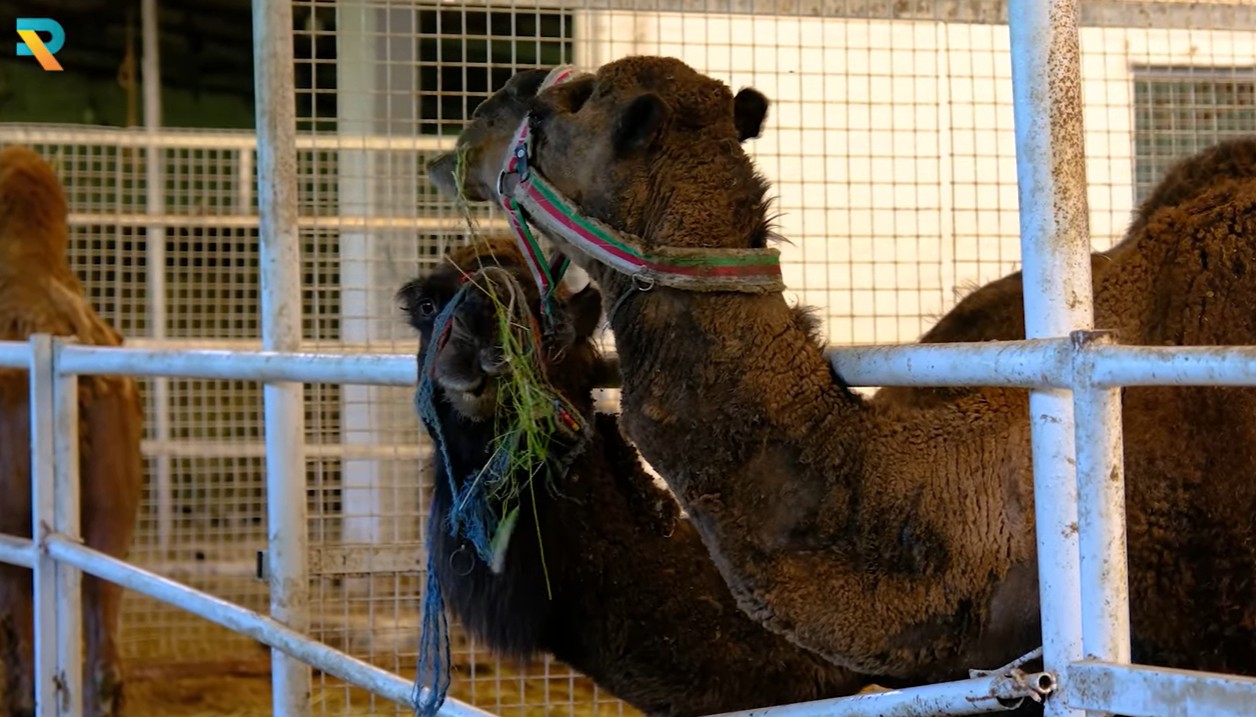
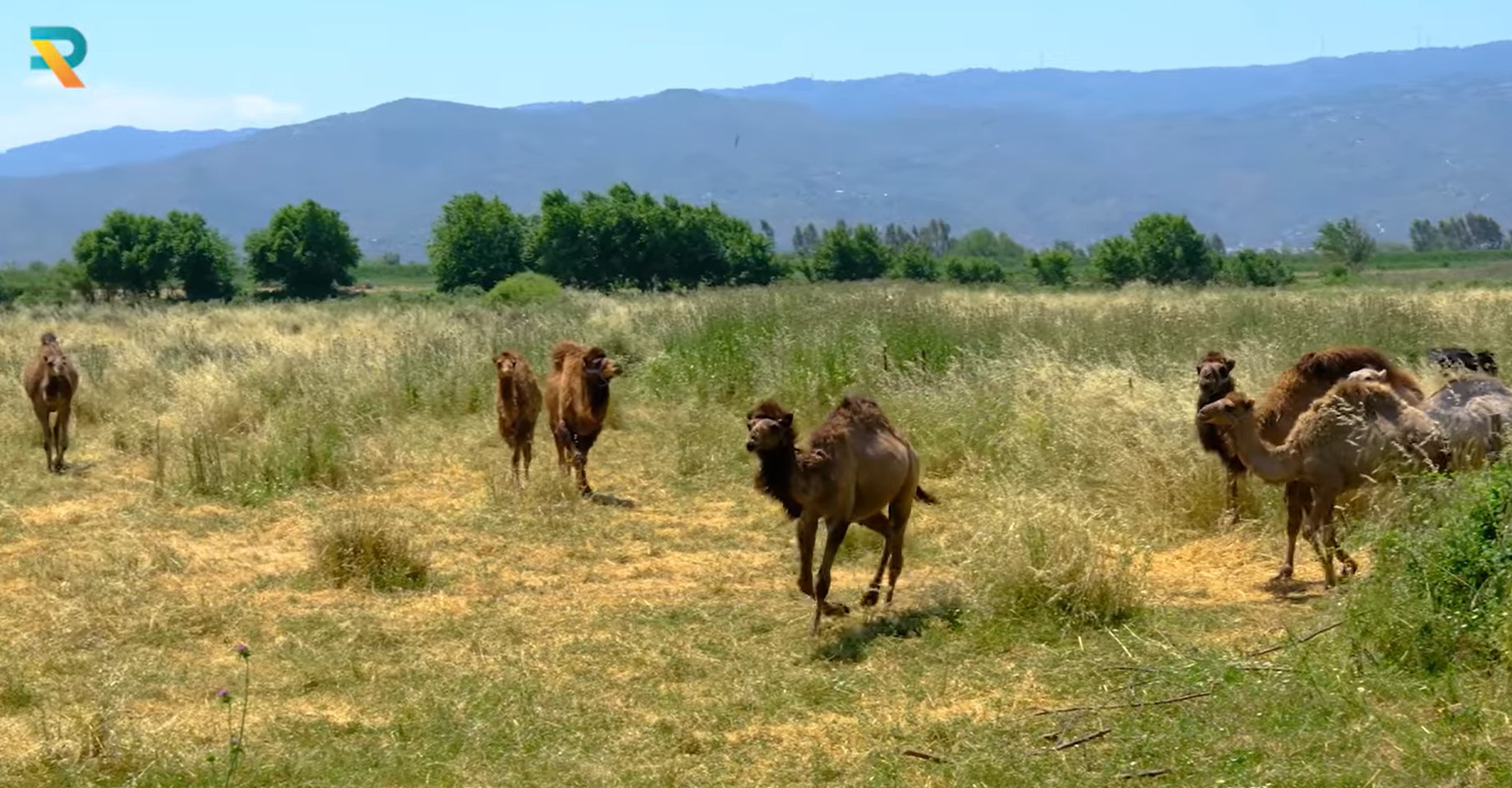
Camels are well known for their resilience to high temperatures and harsh environmental conditions. However, sustaining this resilience requires a strong immune system and a well-balanced vitamin–mineral status.
Impairment of immune function may lead to increased susceptibility to infections, reduced performance, productivity losses, and prolonged recovery following stress.
For this reason, immune support should be a central component of preventive health management in camel nutrition.
Structure of the Immune System
In camels, the immune system consists of two main components:
- Innate (natural) immunity: The first line of defense, involving the skin, mucosal barriers, phagocytic cells, and natural killer cells.
- Adaptive (acquired) immunity: Develops through vaccination or previous exposure to pathogens and includes antibody production (humoral response) and cellular defense mechanisms.
Role of Vitamins
Vitamins act as biochemical regulators that directly support effective immune function.
- Vitamin A: Maintains mucosal integrity and enhances the defense capacity of the respiratory and digestive systems.
- Vitamin D: Regulates calcium–phosphorus metabolism and plays an active role in cellular immunity.
- Vitamin E: A potent antioxidant that protects cell membranes from oxidative damage and supports immune cell activity.
- Vitamin C: Enhances antioxidant capacity during heat stress and increases resistance to infections.
- B-complex vitamins: Are essential for energy metabolism, nervous system balance, and cellular regeneration.
Importance of Mineral Balance
Both micro- and macro-mineral balance is a key determinant of immune performance in camels.
- Zinc (Zn): Preserves skin and mucosal integrity, accelerates wound healing, and supports antibody production.
- Copper (Cu): Activates enzyme systems and promotes the proliferation of immune cells.
- Selenium (Se): Acts synergistically with vitamin E and is a core component of antioxidant defense.
- Magnesium (Mg): Regulates neuromuscular function and stress response.
- Iron (Fe): Enables oxygen transport in blood and is essential for metabolic energy production.
Clinical Signs of Deficiency
Vitamin or mineral deficiencies in camels may present with the following symptoms:
- Reduced appetite and weight loss
- Delayed wound healing
- Decreased milk yield or reproductive failure
- Fatigue, weakness, and prolonged adaptation after transport
- Disruption of gut microbiota and changes in fecal consistency
Feeding Strategies
To maintain a robust immune system, ration formulation should follow these principles:
- Vitamin and mineral levels should be adjusted according to climate, age, and production purpose.
- Feed safety must be ensured to minimize mycotoxin exposure (e.g., with supports such as Yeasttox or Agrotox).
- Liver health is closely linked to immune function; therefore, liver-support products (Liverest Camel) should be included.
- During periods of heat stress, antioxidant supplementation should be increased and electrolyte balance (ThermoBuff) carefully maintained.
Retrovet Academy Perspective
Retrovet considers vitamin–mineral balance not merely as supplementation, but as a core pillar of immune system management in camel health.
Field observations from herds receiving regular vitamin–mineral supplementation have reported:
- Reduced incidence of infectious diseases,
- Shorter recovery periods after racing or transport,
- Improved milk yield and reproductive performance.
The immune system functions as a biological shield that enables camels to remain healthy, productive, and resilient under stress. Balanced vitamin and mineral support strengthens this shield.
Retrovet’s science-based approach represents a key strategy for achieving sustainable performance in camel health.
“Retrovet – Health Strengthened by Science.”