Stress Management and Adaptation in Camels: Maintaining Balance Through Natural Approaches

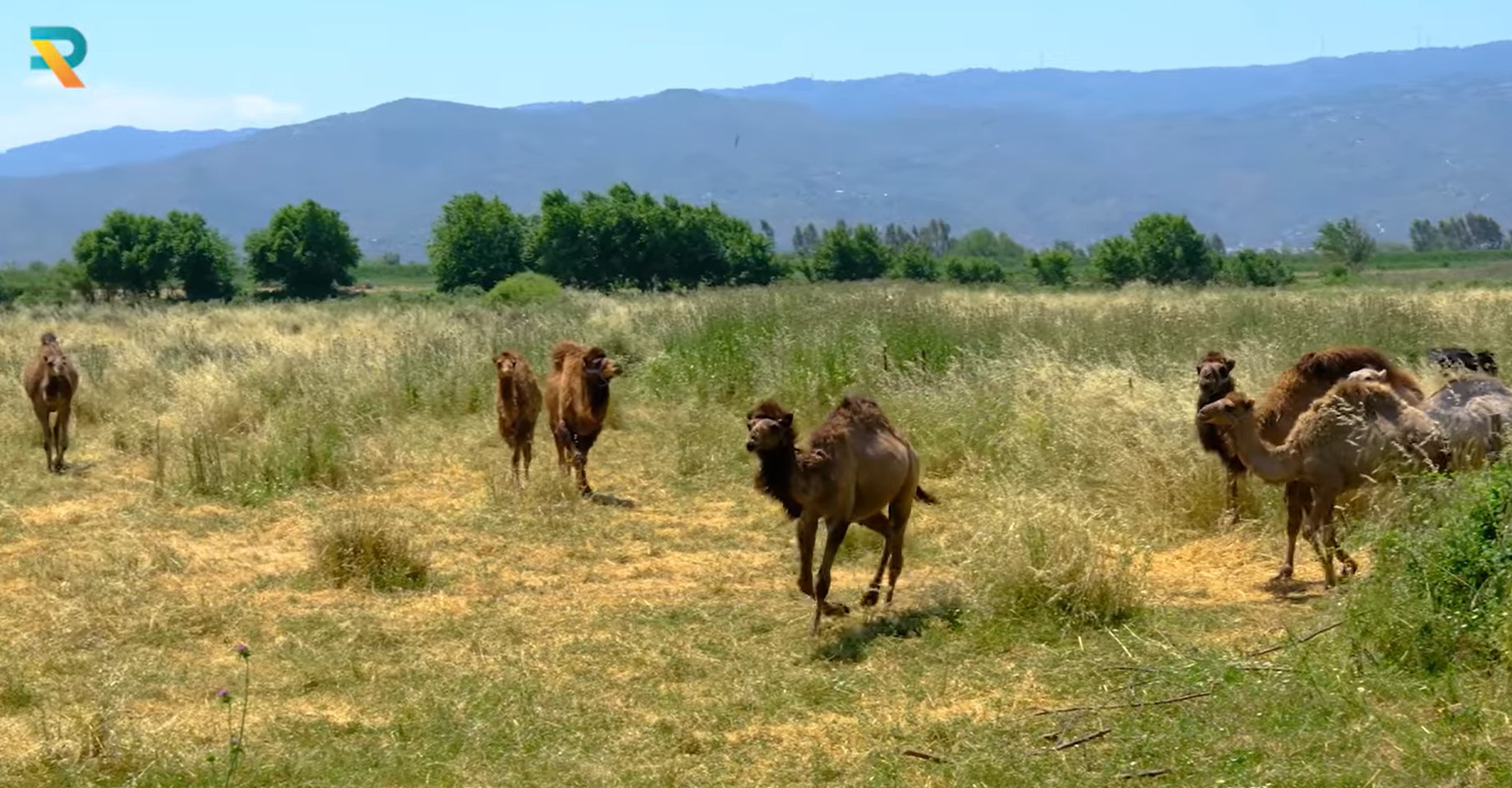
Camels are animals with an exceptional ability to adapt to harsh environmental conditions. However, despite this resilience, factors such as high temperatures, transport, racing, social changes, or nutritional imbalances can induce significant stress in camels.
Stress is not merely a behavioral response; it directly affects physiological performance, immune function, and metabolic balance.
Biological Basis of Stress
During stress, the secretion of hormones such as cortisol and adrenaline increases in camels. This hormonal response leads to rapid depletion of energy reserves, reduced appetite, and suppression of immune responses.
Chronic stress—particularly during racing or transport periods—may result in digestive disorders, muscle fatigue, reduced reproductive performance, and behavioral instability.
Major Types of Stress
- Heat Stress: High temperature and humidity increase respiratory rate and disrupt electrolyte balance.
- Transport Stress: Long-distance transport causes dehydration and muscle fatigue.
- Racing Stress: Excessive energy expenditure, lactic acid accumulation, and heightened nervous sensitivity are observed.
- Social Stress: Introduction to a new herd, separation from offspring, or changes in herd hierarchy may induce emotional stress.
- Nutrition-Related Stress: Sudden feed changes, toxin exposure, or mineral imbalances negatively affect the digestive system.
Adaptation Mechanisms
In response to stress, camels increase water retention capacity, reduce sweating to regulate body temperature, and mobilize energy reserves stored in the hump.
However, prolonged stress may overwhelm these mechanisms, leading to metabolic acidosis, appetite loss, and decreased performance.
Stress Management Through Natural Approaches
Scientific research indicates that plant-based supplements can help regulate stress hormones, protect digestive function, and enhance overall adaptation.
Developed by Retrovet, Calm Camel is formulated to reduce stress-induced metabolic imbalances in camels.
Its plant-derived components exert calming effects on the nervous system, helping to balance cortisol levels, preserve appetite, and support immune function.
Areas of Use for Calm Camel
- Pre- and post-race adaptation periods
- Transport and relocation processes
- Transition to new environments or social changes
- Camels exposed to prolonged heat stress
- Behavioral sensitivity and appetite loss
Calm Camel can be used as a natural balancing support thanks to its fully plant-based, additive-free formulation.
Regular use supports faster recovery during stress periods and helps maintain performance.
Retrovet Academy Perspective
Retrovet considers stress management in camels not merely a behavioral issue, but a factor directly linked to metabolic balance and production efficiency.
According to field observations, breeders using Calm Camel have reported:
- Shortened adaptation periods after racing and transport,
- More stable feed intake,
- Reduced signs of behavioral stress.
Stress is a critical factor that directly influences camel productivity and welfare. Managing stress through natural, plant-based support provides a sustainable balance both physiologically and behaviorally. With its nature-derived formulation, Calm Camel represents a science-based solution for healthy adaptation in camels.
“Retrovet – Natural Balance Nourished by Science.”