Water Intake and Electrolyte Management in Camels: A Scientific Approach to Heat Stress
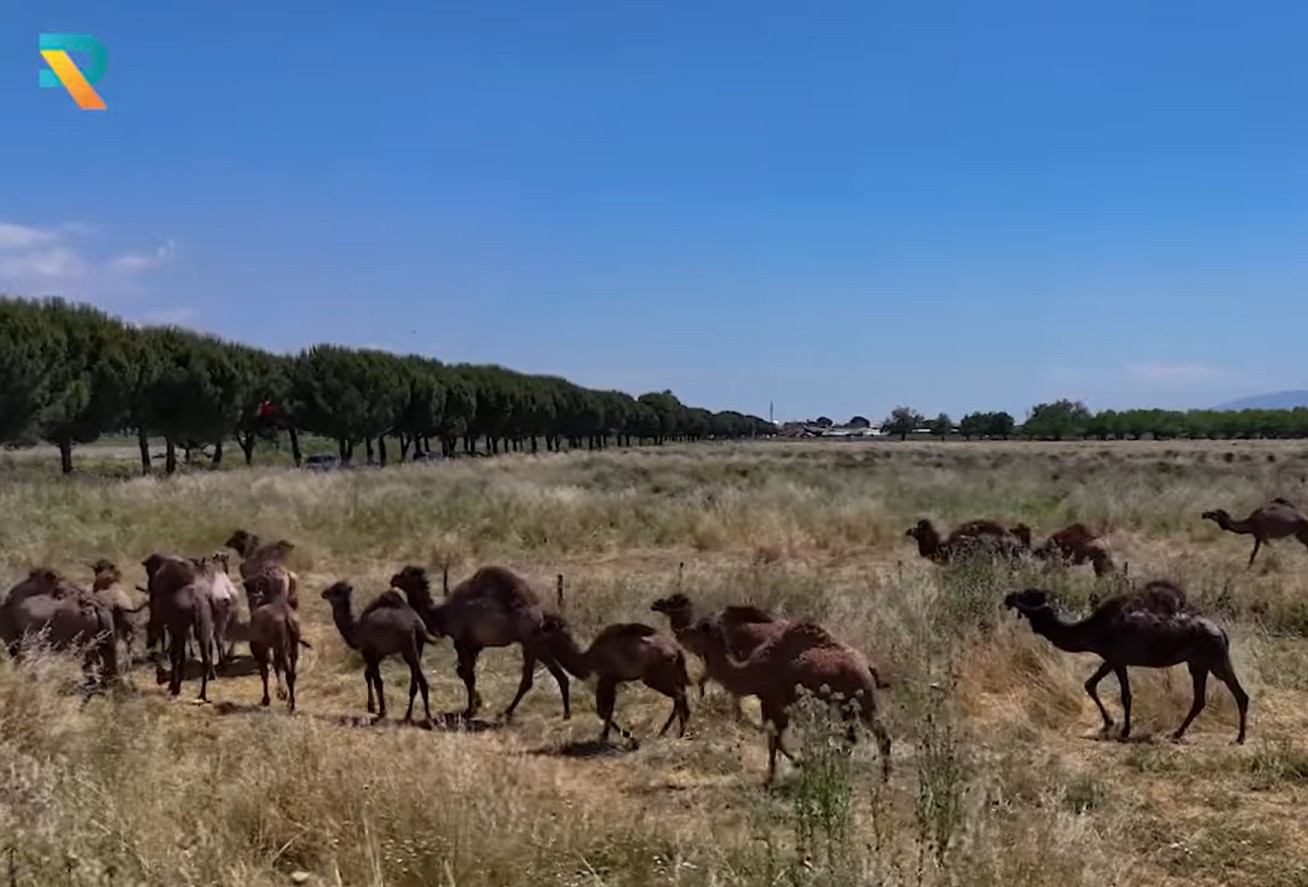
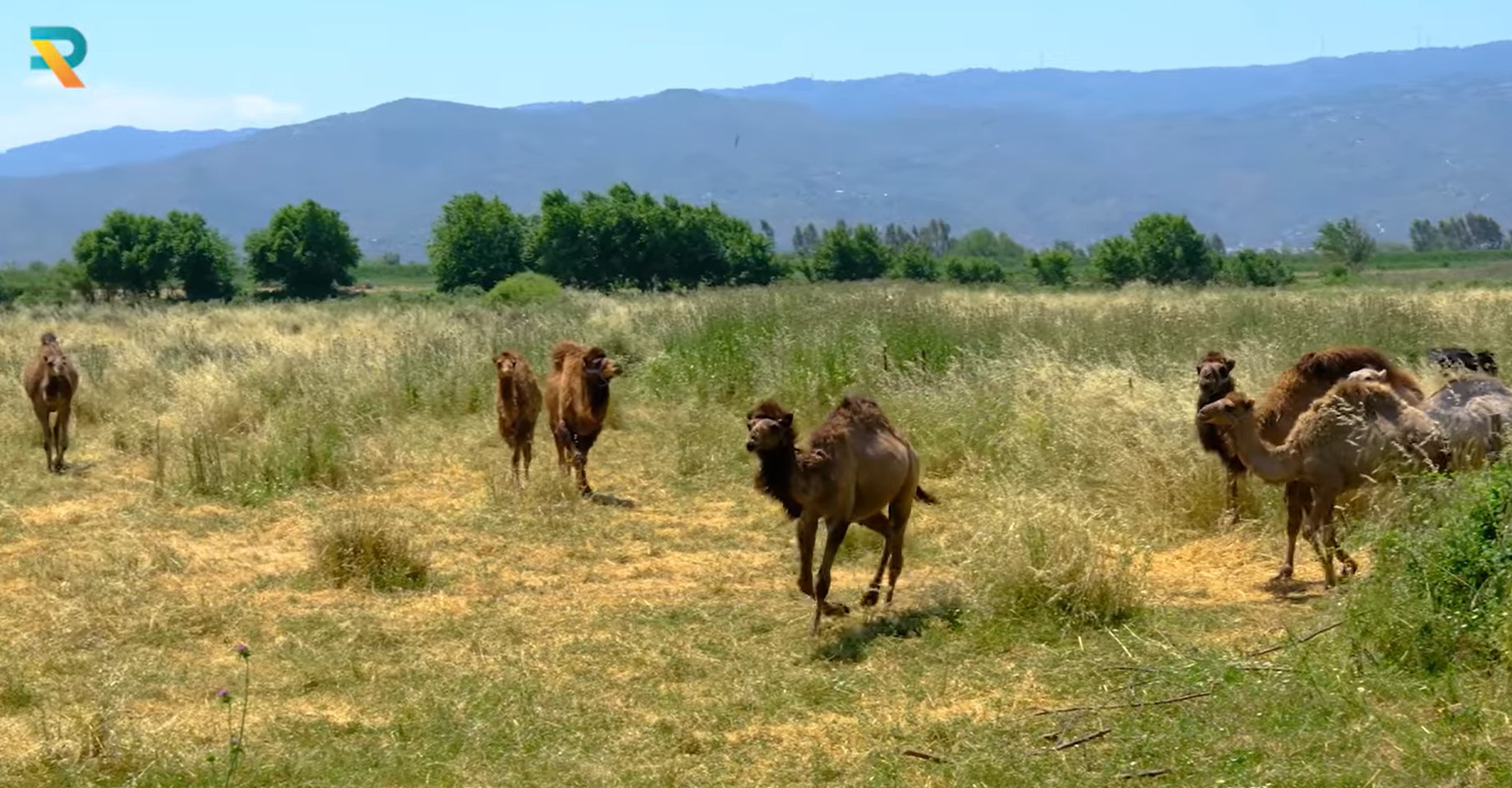
Camels are animals well known for their resilience to extreme climatic conditions. However, under high temperatures, low humidity, and limited water availability, they activate specialized adaptation mechanisms to maintain metabolic balance. Thanks to these mechanisms, camels can remain without water for several days; nevertheless, performance, milk yield, and reproductive efficiency may be negatively affected during this period. For this reason, water management and electrolyte balance are of critical importance in camel production under hot climatic conditions.
Physiology of Water Balance in Camels
Camels possess a unique physiological structure that allows them to utilize every drop of water efficiently. They regulate body temperature within a range of 34–41°C, minimizing water loss through sweating.
In addition, they reduce water excretion by producing highly concentrated urine and lowering moisture content in feces. However, during prolonged stress periods, these adaptive mechanisms may become insufficient, leading to electrolyte imbalances.
Role of Electrolytes
Electrolytes are essential for maintaining intracellular and extracellular fluid balance, muscle function, and nerve transmission in camels.
The main electrolytes and their functions include:
- Sodium (Na): Regulates water retention and extracellular osmotic balance.
- Potassium (K): Essential for muscle contraction, nerve transmission, and acid–base balance.
- Chloride (Cl): Works with sodium to maintain acid–base equilibrium.
- Magnesium (Mg): Plays a key role in muscle relaxation, energy metabolism, and electrolyte stability.
Electrolyte Loss During Heat Stress
During periods of high ambient temperature, increased sweating, elevated respiratory rate, and reduced feed intake disrupt electrolyte balance. This imbalance may lead to acidosis risk, appetite loss, decreased milk fat content, and overall performance decline.
In camels, metabolic alkalosis and dehydration are commonly observed under heat stress. Maintaining this balance depends not only on the quantity of water consumed but also on its quality and mineral composition.
Factors Affecting Water Intake
Water consumption in camels varies depending on several factors:
- Ambient temperature and humidity
- Activity level (racing, transport, production)
- Salt and fiber content of the diet
- Electrolyte concentration and mineral composition of drinking water
- Age, sex, and body condition of the animal
Camels exposed to high temperatures may consume 30–50 liters of water per day. However, beyond volume, proper mineral balance is vital for physiological stability.
ThermoBuff:
Scientific Support Against Heat Stress
Developed by Retrovet, ThermoBuff is a specialized buffering feed additive designed to prevent electrolyte losses associated with heat stress and support acid–base balance. Through the synergistic action of sodium bicarbonate and buffering components, ThermoBuff helps stabilize rumen and blood pH.
This contributes to:
- Preservation of appetite,
- Stabilization of milk yield and milk fat content,
- Maintenance of muscle and nerve function,
- Prevention of dehydration.
ThermoBuff provides optimal benefits when used at 100–150 g/day per camel during hot periods. In prolonged high-temperature conditions, combined use with liver-support products (e.g., Liverest Camel) enhances metabolic resilience.
Retrovet Academy Perspective
Retrovet approaches water and electrolyte balance in camel nutrition not merely as hydration management, but as a core determinant of metabolic efficiency. Maintaining electrolyte balance is closely linked to sustainable liver function and stable rumen microbiota.
Field observations from breeders using ThermoBuff have reported:
- Prevention of heat stress–related appetite loss,
- Minimization of milk yield decline,
- Reduction in stress-related behavioral symptoms.
Camels can achieve outstanding performance as long as water and electrolyte balance is maintained. However, heat stress and unbalanced feeding conditions can rapidly disrupt this system. Rations supported by science-based solutions such as ThermoBuff improve both physiological resilience and production efficiency.
“Retrovet – Resilience Nourished by Science.”