Camel Breeds and Differences in Feeding Physiology

Camels are animals with exceptional adaptation to desert conditions and high metabolic flexibility. However, climate, purpose of use, and genetic characteristics create distinct differences among breeds.
Therefore, nutritional management for each camel breed should be planned in accordance with its specific physiological structure. Through evolution, camels have adapted to both hot deserts and cold steppes.
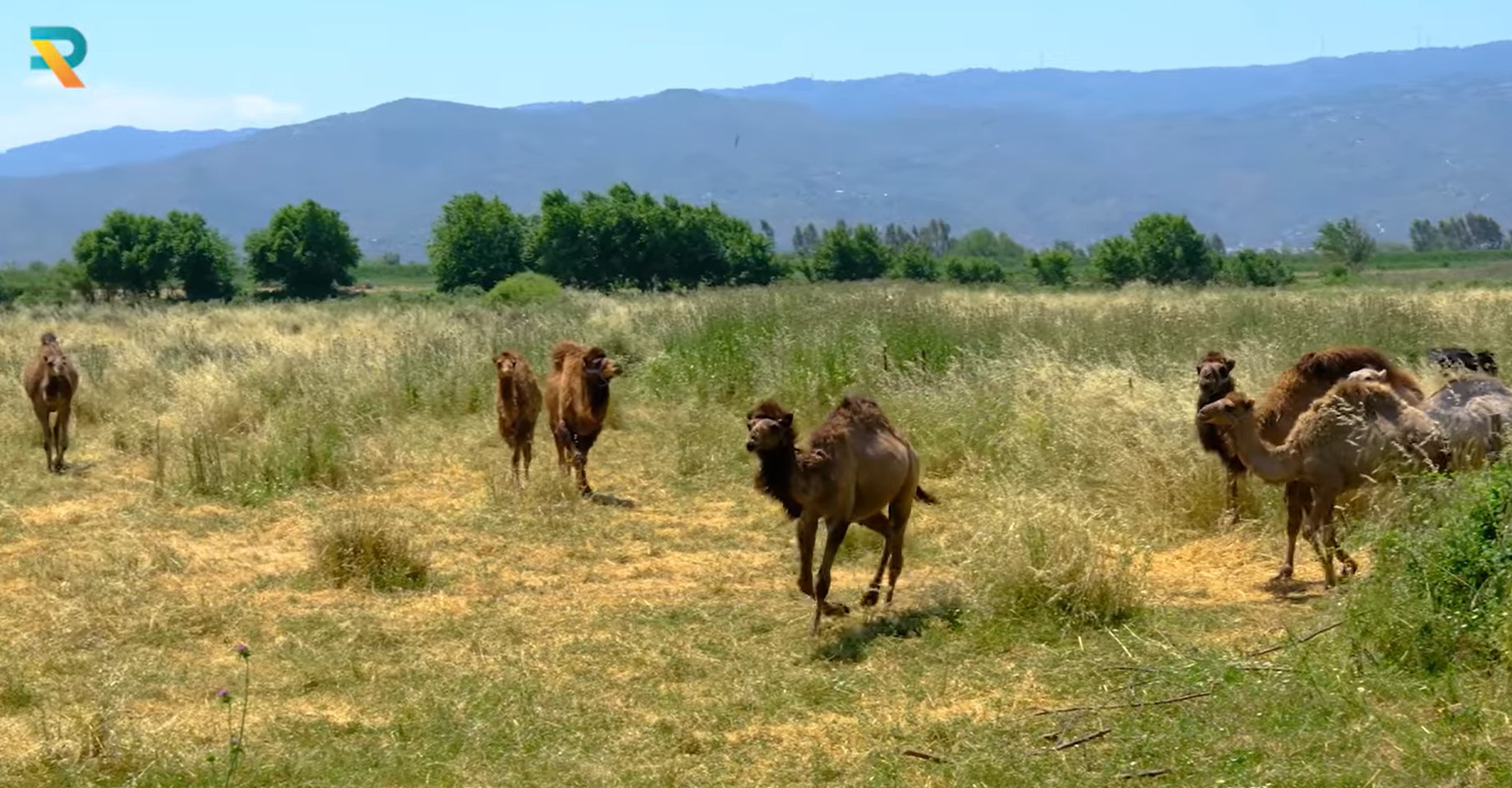
Globally, two main species are widespread: the one-humped Arabian camel (Camelus dromedarius) and the two-humped Bactrian camel (Camelus bactrianus). In addition, hybrids of these two species are bred in regions such as Iran, Kazakhstan, and Türkiye.
Arabian Camel (Camelus dromedarius)
The one-humped Arabian camel is perfectly adapted to hot and arid climates. It can retain water for extended periods, has a low sweating rate, and possesses a high capacity for fat storage. Energy reserves are concentrated in a single hump. This breed is commonly used for racing, milk production, and meat production. Under high temperatures, electrolyte loss, reduced performance, and metabolic stress are frequently observed.
Bactrian Camel (Camelus bactrianus)
The two-humped Bactrian camel originates from Central Asia and inhabits cold, high-altitude regions. Its thick coat provides strong resistance to cold conditions, and fat reserves are evenly distributed across two humps.
Energy metabolism is slower, and this breed prefers fibrous, high-energy feeds.
It may experience difficulty under excessive heat; therefore, maintaining energy and protein balance is critical. Bactrian camels are mainly used for transport as well as hide and wool production.
Hybrid Breeds
In certain regions (Iran, Kazakhstan, Türkiye), crossbreeding between Dromedary and Bactrian camels has produced animals with enhanced endurance, strength, and environmental tolerance. These hybrids demonstrate high resilience over long distances and can achieve strong performance.
However, due to their sensitivity in metabolic balance, feeding programs must be carefully managed.
Differences in Feeding Physiology
Parameter | Arabian Camel (Dromedary) | Bactrian Camel |
Climate Adaptation | Hot, arid desert climate | Cold, high-altitude climate |
Fat Storage | Concentrated in a single hump | Evenly distributed in two humps |
Water Requirement | Can remain without water for 7–10 days | Requires more frequent water intake |
Feed Tolerance | Tolerates saline and fibrous feeds | Prefers high-energy, fibrous feeds |
Digestive Adaptation | High tolerance to acidic environments | Slower microbial fermentation |
Performance Use | Racing, milk, meat | Transport, hide, wool |
Key Differences in Feeding Management
- Arabian camel: High susceptibility to heat stress and electrolyte loss; therefore, electrolyte and liver support
(e.g., Liverest Camel) are recommended.
- Bactrian camel: Requires increased energy and fat supplementation to cope with cold stress.
- Hybrids: Sensitive to both heat and cold stress, requiring balanced vitamin and mineral supplementation.
Modern Feeding Approaches
Ration formulation for camels should focus not only on energy–protein balance but also on microbial stability. Probiotic and enzyme combinations (e.g., WINYZM) support digestive stability.
Liver-support products (e.g., Liverest Camel) help reduce metabolic load. Pica behavior, particularly in young camels, is an indicator of mineral imbalance and may be managed using products such as Picamel.
Each camel breed possesses a unique physiological balance. Therefore, uniform feeding models are ineffective across breeds exposed to different climatic and metabolic conditions.
Retrovet’s camel nutrition strategy aims to develop scientifically formulated solutions tailored to the biological differences of each breed.
“Retrovet – Scientific Nutrition Tailored to Every Breed.”